

The artificial intelligence industry continues to expand, and data center construction is accelerating worldwide. For investors, however, the questions are becoming more practical: Can a new facility secure power on schedule? Can it run high-density equipment reliably? And can its computing capacity attract customers and generate sustained revenue?
The answers will determine whether AI infrastructure projects can become durable long-term assets.
On November 6, digital infrastructure company Equinix announced the opening of SG6, a data center designed for AI and high-performance computing workloads. The company said it had invested approximately $290 million in the first phase, which provides 8 megawatts of capacity. Capacity is planned to reach 20 megawatts when the facility is fully built out. Alongside the additional capacity, the project features liquid-cooling capabilities for power-intensive GPU equipment, energy systems and interconnection services. Its target power usage effectiveness (PUE) of 1.20 is a design goal that still needs to be demonstrated in operation.
From SHINDEV’s perspective, projects like this show that the compute industry is entering a more practical phase. The market still needs new data centers, but construction scale alone is no longer an adequate measure of competitiveness. A project’s value increasingly depends on how well it brings together power, cooling, networks, equipment and customer demand.
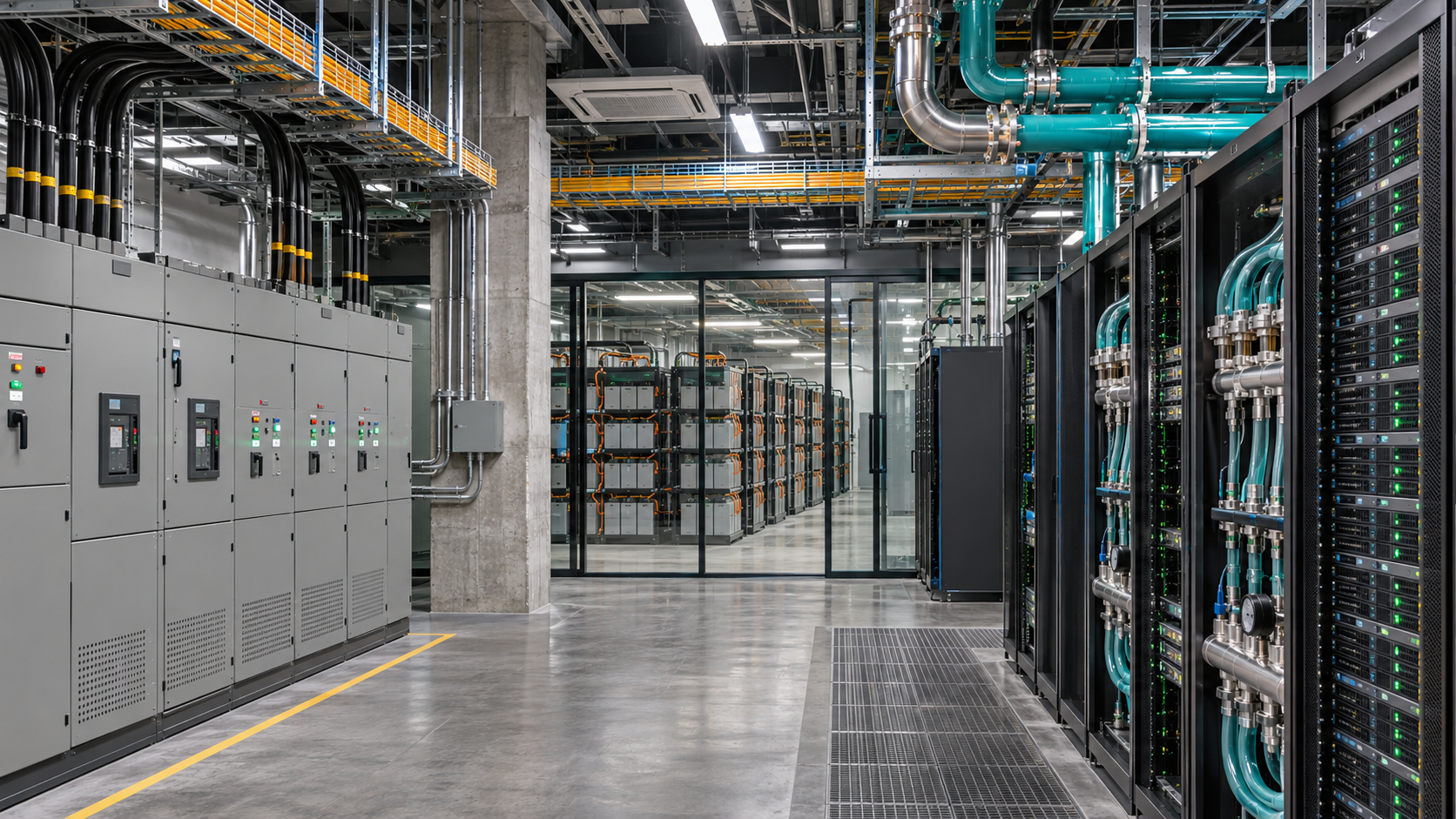
The growth in computing demand is supported by measurable trends. The International Energy Agency’s latest analysis projects that global data center electricity consumption will rise from approximately 485 terawatt-hours in 2025 to around 950 terawatt-hours in 2030. Electricity use by AI-focused data centers is expected to grow even faster. At the same time, the IEA notes that constraints on grid connections, energy equipment and chip supply are limiting the near-term expansion of some projects.
Meeting demand therefore involves more than installing additional servers. Before a group of GPUs can be put to work, a project must address facility construction, power supply, cooling, network connectivity and operational support. Once the equipment is running, operators must match capacity with customer workloads to avoid leaving costly assets idle. A delay at any stage can affect delivery schedules and investment returns.
As the power density of AI equipment rises, energy and cooling systems are becoming central to a data center’s ability to deliver service. The IEA projects that data centers worldwide could have approximately 20 to 25 gigawatts of battery storage capacity installed by 2030 to help manage rapid fluctuations in AI-related power demand. This is a forecast, not capacity already in operation, but it underscores the growing importance of reliable power.
Demand is also reaching beyond compute facilities themselves. Power management company Eaton reported continued growth in orders and backlog across its electrical businesses and is expanding its power distribution capabilities for data center and utility customers. From servers and electrical equipment to liquid cooling and energy management, AI infrastructure investment is creating demand across a wider supply chain.

Strong demand does not guarantee a good return for every project. Data centers require substantial upfront investment and take time to build. Decisions made early about power access, customer commitments and technical design can shape operating results for years.
Assessing a compute infrastructure investment therefore requires a broader set of questions: Can capacity be delivered on time? Are power costs manageable? Can equipment utilization improve? Are customer contracts durable? And can the facility accommodate denser computing workloads in the future? Efficiency targets at the design stage matter, but actual energy use, reliability and cash flow after launch deserve closer attention.
This is one reason green data centers are drawing interest. Better energy efficiency can support sustainability goals while potentially reducing long-term costs and improving service delivery. Yet a “green” designation should be tested against operating results. Energy sourcing, actual efficiency and the ability to upgrade equipment all need to be assessed over time.
SHINDEV believes the next phase of compute investment will test the strength of entire operating systems, not merely the ability to add capacity. Projects with lasting value must be able to capture AI-driven demand while managing the practical constraints that come with it. Capital can play an important role by identifying businesses and projects capable of connecting technology, energy, infrastructure and real industry applications, then supporting them through the transition from construction to operation.
AI will continue to drive demand for computing power, but the market’s assessment of compute assets is becoming more specific. Rack counts and investment figures show the scale of construction. Reliable delivery, energy efficiency, customer utilization and sustained returns are what will ultimately demonstrate asset quality.
The shift from building more to using capacity better marks an important stage in the development of AI infrastructure. It is also a key measure SHINDEV will use to assess the industry’s next set of opportunities.